Creating the Ideal Custom Produce Boxes: A Methodical Approach
Designing specialized fruit and vegetable boxes demands a calculated approach. Professionals must examine sustainability, practicality, and visual appeal. Picking the right materials is crucial for maintaining freshness and supporting environmentally conscious practices. Additionally, size and shape can significantly impact usability and transport efficiency. Compelling visual elements strengthen brand identity, while thorough testing guarantees longevity. Understanding these elements will uncover key insights into creating exceptional container solutions that appeal with consumers. What follows is fundamental to accomplishing those goals.
Choosing the Right Components for Custom Produce Boxes
When considering materials for custom produce boxes, it is important to examine both usefulness and sustainability. The selection of material significantly influences the box's strength, weight, and ability to protect the contents. Common materials feature corrugated cardboard, which offers strength and is environmentally recyclable, making it a popular choice for green-minded businesses. Biodegradable options, such as molded pulp or plant-based plastics, also promote green practices while delivering adequate protection for delicate produce.
In addition, moisture resistance is essential for sustaining product quality, prompting some creators to examine conditioned compounds or tailored protective barriers. The aesthetic appeal of the box should not be overlooked, as branding and visual presentation can influence market perception. Ultimately, the right material should maintain proportion between protecting the produce, appealing to customers, and following ecological standards, ensuring both functionality and sustainability are prioritized in the planning phase.
How to Opt for Size and Shape for Operational Use?
When opting for the form and dimensions of custom produce boxes, thorough evaluation of produce dimensions is crucial for proper storage. Additionally, considerations for movement and transportation can affect the box design, guaranteeing ease of movement. Maximizing shelf space usage further enhances functionality, allowing for efficient display and storage.
Evaluate Produce Dimensions Carefully
Assessing the suitable form and capacity for produce containers is fundamental for workflow efficiency. Accurate assessment of product dimensions is indispensable, as it guarantees that items fit snugly without surplus room that could lead to damage during logistics and storage. Bespoke boxes need to support assorted configurations, from soft-skinned fruits to bulky vegetables, while maintaining structural integrity. Furthermore, the height and width of the boxes should facilitate stacking and inventory management, making full use of space in storage facilities. A well-designed box not only protects the produce but also enhances visual appeal for consumers. To sum up, careful consideration of dimensions contributes to minimizing losses and improving overall user experience in the product supply chain.
Evaluate the Elements of Handling and Transport
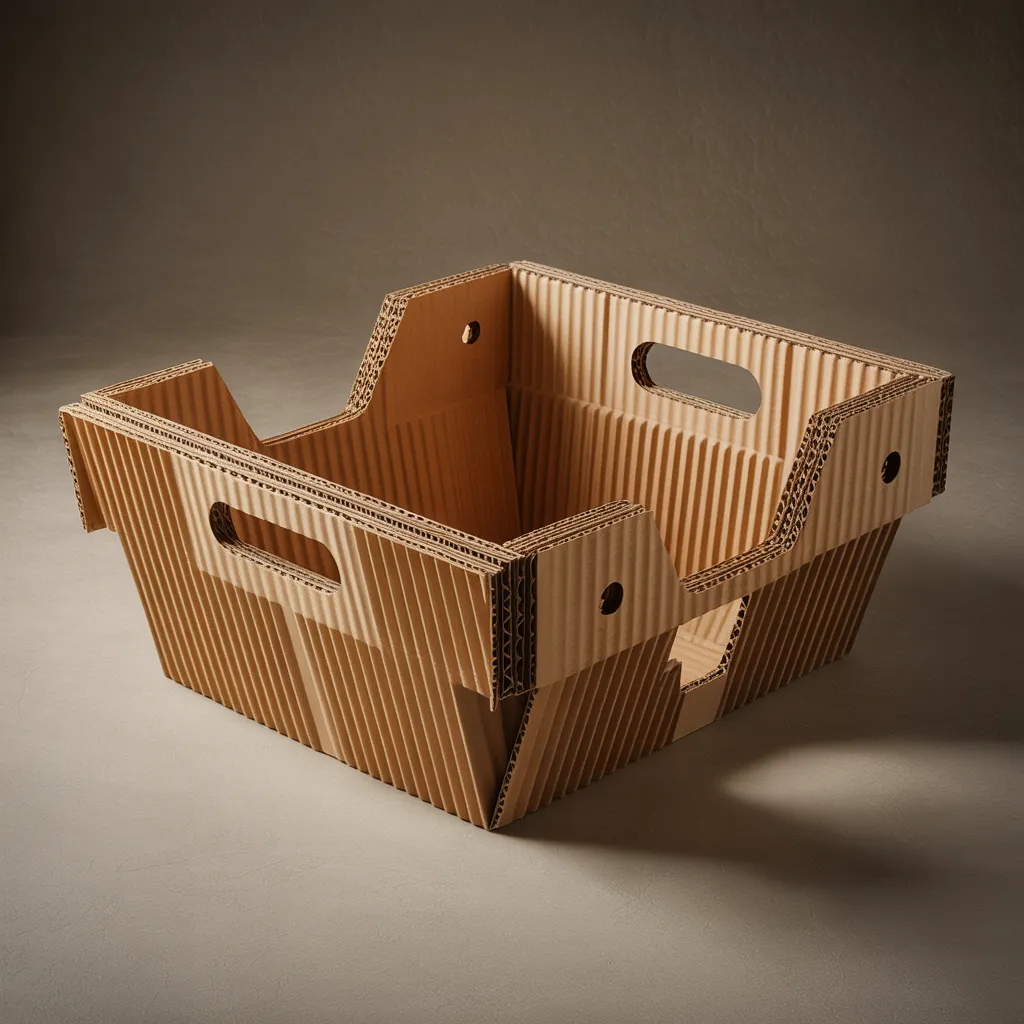
Handling and transport considerations play a significant role in determining the appropriate size and shape of custom agricultural containers. The measurements must detailed guide accommodate the produce with no excessive area, that could cause shifting and damage during transit. Smaller, compact boxes facilitate simpler handling, while big containers may prove essential to handle larger items. Also, ergonomic design is important; handles or openings should be strategically placed to allow for easy hoisting and transport. The shape relating to the container also determines stacking with stability, ensuring which products stay intact. Finally, thorough thought of such factors enhances the efficiency of shipping, decreases item waste, while maintains the overall soundness of the produce from field toward consumer.
Maximize Display Space Usage
Optimizing shelf space usage depends on picking the suitable size and shape of specialized agricultural containers. Design teams should evaluate the size specifications of the storage systems as well as the categories of produce being arranged. Rectangular boxes often boost space efficiency, facilitating for more convenient stacking and alignment. Alternatively, unusual shapes can heighten design appeal but may cause lost capacity if not properly structured.
It's crucial to assess the inventory turnover rate; faster-moving items might gain advantages with smaller, easily accessible boxes. Additionally, incorporating adjustable or modular designs can accommodate different dimensions of items while optimizing shelf organization. By prioritizing functionality along with aesthetics, companies can develop a functional and attractive presentation that enhances both accessibility and product visibility.
How to Produce Graphics That Draw Attention?
Compelling artwork can transform a plain custom produce box into a beautiful showcase that attracts notice. To achieve this, designers should start by picking a color palette that conveys the freshness and brightness of the produce. Luminous, captivating colors can evoke impressions of freshness and wellbeing, motivating consumers to take a closer look.
Strong typefaces is also essential; clear and legible fonts can effectively communicate key details while boosting visual appeal. Moreover, employing high-quality images of the produce can form instant engagement, highlighting the item's caliber and enticing prospective customers.
In addition, incorporating unique patterns or illustrations can assist in distinguishing the brand in a crowded market. Consistency in visual aspects, such as logos and taglines, supports brand identity. Ultimately, a mixture of creativity and clarity in visual design can substantially improve the impact of custom produce boxes, helping them become distinctive on shelves.
Green Practices for Custom Produce Box Packaging
An growing amount of businesses are implementing sustainable practices for custom produce box packaging, acknowledging its necessity in today's green-minded market. These methods often include the use of compostable materials, such as recycled paper and plant-based plastics, which minimize environmental impact. Companies are also focusing on responsible procurement, ensuring that materials are obtained from responsibly managed forests or suppliers who prioritize environmental stewardship.
Also, many brands are choosing minimalist approaches that lower waste while still effectively showcasing their products. This strategy not only appeals to eco-minded consumers but also assists with decreasing production costs. Moreover, businesses are increasingly implementing efficient manufacturing processes that limit energy consumption and waste generation. By integrating these green practices, companies not only improve their brand image but also contribute positively to the planet, aligning their operations with a sustainable future.
Validate Your Made-to-Order Produce Box Design
Evaluating the format of tailored packaging containers is a critical component in ensuring they satisfy both visual and functional criteria. This approach typically involves reviewing aspects including durability, measurements, and functionality. First, trial models must be constructed to assess the box's structural integrity, verifying it can withstand movement and holding without weakening the goods.
Afterwards, usability reviews can be done to ascertain how readily the boxes can be accessed, closed, and stacked. Opinions from likely users can be invaluable in this juncture, revealing perspectives into the box's practical application.
Additionally, the design's visual appeal should be examined through focus groups or surveys, gauging consumer feedback to branding elements, color palettes, and overall presentation.
Ultimately, comprehensive evaluation enables designers to improve the box, guaranteeing it not only attracts customers but also effectively protects and presents the produce within, striking the right equilibrium between form and function.
Efficiently Market Your Made-to-Order Produce Boxes
Effective advertising of personalized produce boxes requires a strategic approach that highlights their distinctive advantages and value. Organizations should prioritize identifying their intended customers, whether they are local farms, grocery stores, or individual consumers. Harnessing social networking sites can boost market visibility, showcasing the boxes' design and practicality through compelling visuals and storytelling.
Furthermore, teaming up with community leaders and farm operators can boost credibility and extend reach. Introducing offers or price reductions during seasonal peaks can pull in initial customers and foster customer loyalty.
Additionally, emphasizing sustainability and eco-friendliness in promotional content can resonate with environmentally conscious consumers. Providing detailed information about material composition and the advantages of custom packaging can better distinguish the product in a crowded marketplace.
In the end, a thorough promotional strategy that integrates online and community-based efforts will efficiently advance custom produce boxes, attracting a diverse clientele and boosting sales.
Commonly Requested Queries
What Are the Costs Associated With Custom Produce Box Creation?
Expenses linked to custom produce box design encompass supplies, printing services, labor costs, and transport. Furthermore, design services and order minimums can change total expenditures, causing variable pricing based on exact requirements and production volume.
What Period Is Needed to Generate Made-to-order Boxes?
Production of custom boxes typically requires two to six weeks. Key factors affecting this schedule involve design complexity, sourcing of materials, and manufacturing output, all of which can influence shipping timelines and delivery windows.
Can I Purchase a Limited Quantity of Personalized Produce Boxes?
Yes, limited amounts of custom produce boxes can typically be placed. Many providers offer baseline order amounts, enabling businesses or individuals to procure tailored packaging solutions without needing to commit to significant quantities initially.
What Common Mistakes Should You Avoid When Designing Custom Packaging?
Common pitfalls in custom box creation include neglecting functionality, ignoring brand consistency, downplaying material quality, failing to consider target audience preferences, and overlooking environmental impact. Each aspect is essential for effective packaging and customer satisfaction.
How Do I Ensure My Boxes Are Food-Compliant?
To guarantee boxes are food-safe, one must choose materials certified for food contact, prevent harmful inks and adhesives, keep cleanliness during production, and frequently check for compliance with health regulations and safety standards.